Should “RICE” be replaced with “MEAT”?
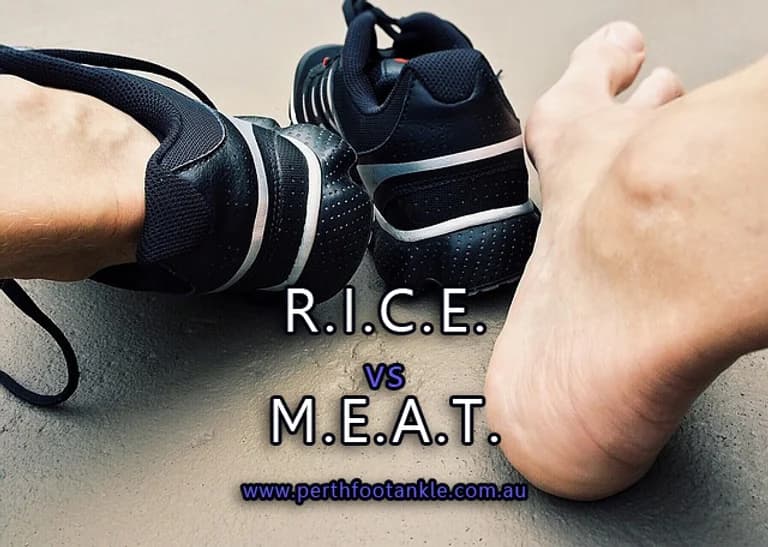
Analysis of RICE and MEAT protocols for optimal injury treatment approaches
RICE vs MEAT: Evolution in Injury Treatment Protocols
Traditional RICE Method
- Rest
- Ice
- Compression
- Elevation
Emerging Concerns with RICE
Blood Flow Issues
-
Tendons and ligaments naturally have poor blood supply
-
Ice reduces peripheral blood flow
-
Blood vessels may remain constricted after ice removal
-
Can lead to:
-
Delayed healing
-
Tissue death
-
Potential nerve damage
Research Findings
- Original RICE creator has recanted the protocol
- Studies show ice may delay recovery
- Reduced metabolic rate impairs healing
- Increased muscle damage markers in athletes
The MEAT Alternative
Movement
- Stimulates healing process
- Promotes aligned collagen fibres
- Encourages faster recovery
- Improves lymphatic drainage
Exercise
- Prevents long-term joint instability
- Improves functional outcomes
- Supports rehabilitation process
Analgesia
-
Focus on appropriate pain relief
-
Avoid NSAIDs that may inhibit healing
-
Consider natural alternatives:
-
Acupuncture
-
Dry needling
-
Low-level laser therapy
Treatment
- Manual therapy
- Electrotherapy
- Ultrasound
- Mobilisation techniques
Important Considerations
- RICE may still benefit acute muscle injuries
- Compression remains valuable for reducing swelling
- Treatment should be injury-specific
- Individual assessment crucial
Need Professional Podiatry Care?
Our experienced team is here to help with all your foot and ankle concerns. Book an appointment today for expert diagnosis and treatment.
Book an Appointment