
Preventing Falls
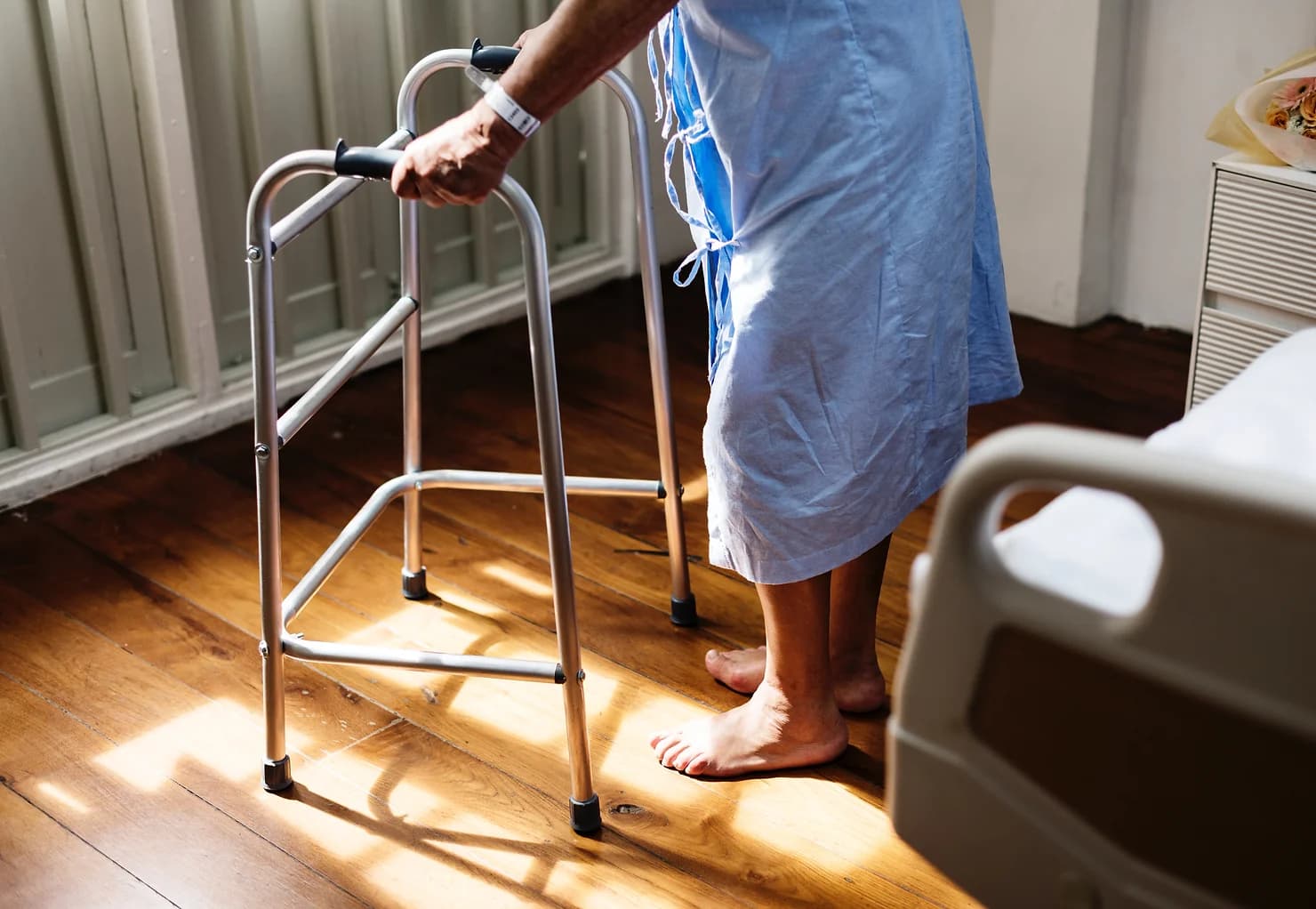
Essential strategies for preventing falls and maintaining safety in older adults
As we age, the risk of falling during everyday activities increases significantly, potentially leading to serious injuries. Understanding these risks and implementing preventive measures is crucial for maintaining independence and safety.
Risk Factors
Several factors contribute to increased fall risk in elderly individuals:
- Age-related changes such as impaired vision, muscle weakness, and joint stiffness can significantly impact balance and mobility
- Medication side effects may affect balance and coordination, increasing fall risk
- Previous falls within the last six months indicate a higher likelihood of future incidents
- Environmental hazards including poor lighting, cluttered spaces, and unsafe home layouts often contribute to falls
- Chronic health conditions can impact balance and stability
- Sensory issues affecting balance and spatial awareness make navigation more challenging
Prevention Strategies
Lifestyle Modifications
- Maintain a balanced diet rich in essential vitamins and minerals to support overall health and strength
- Stay properly hydrated throughout the day to maintain physical function
- Engage in regular exercise focusing on muscle strengthening and joint mobility
- Work with healthcare providers to review and manage medications that might increase fall risk
Environmental Safety
- Install adequate lighting throughout the home, particularly in hallways and bathrooms
- Remove potential trip hazards such as loose rugs, electrical cords, and scattered objects
- Install grab bars in bathrooms and other key areas
- Consider using mobility aids like ramps where needed
- Ensure clear pathways throughout the home
Personal Safety Measures
- Choose supportive, well-fitting footwear for all activities
- Avoid walking in socks or loose slippers
- Wear properly fitted clothing, especially pants that won't catch on furniture
- Use prescribed walking aids consistently when recommended
- Maintain regular vision check-ups to ensure optimal sight
Need Professional Podiatry Care?
Our experienced team is here to help with all your foot and ankle concerns. Book an appointment today for expert diagnosis and treatment.
Book an AppointmentRelated Articles
Back-To-School Essentials: Why the Right Shoe Fit Matters
Why proper school shoe fitting matters for your child's foot health.

Simple shoe lacing techniques to optimise comfort!
Professional guide to specialised shoe lacing techniques for various foot conditions
Home Workouts during Lockdown
Effective home workout tips and guidance during lockdown.